Lawn Mowing in Belmont

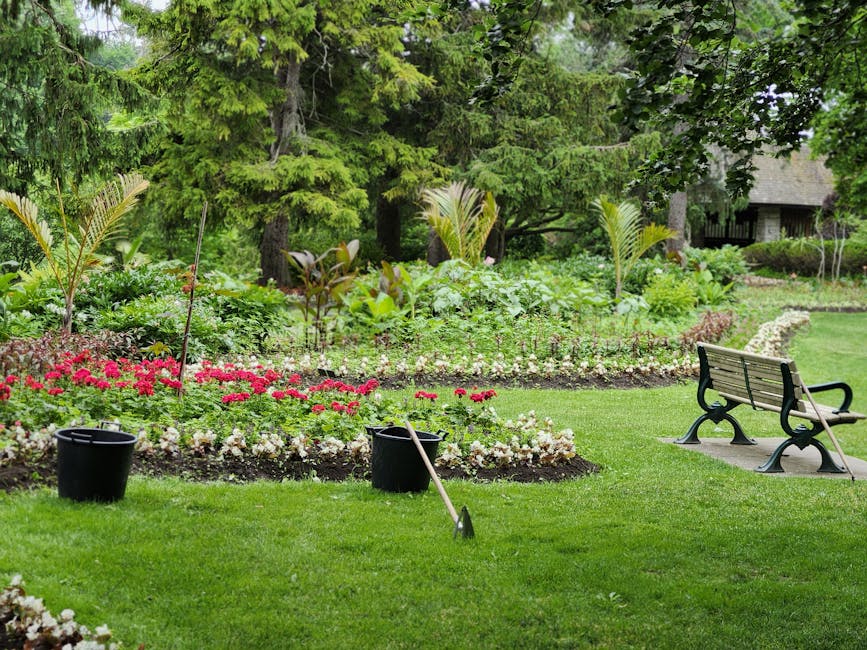
Lawn mowing in Belmont needs a steady, tidy approach that keeps grass at a manageable length without stressing the turf. Our lawn mowing service is built around neat cutting, sensible edging and a finish that suits the condition of the lawn, whether the aim is routine upkeep or bringing an untidy area back to order. We work with the practical details of the job, not just the cut itself, so the result looks deliberate and remains easier to maintain between visits.
For many gardens, the work is not only about making the grass shorter. It is also about consistent care, handling awkward edges, and keeping the surface even enough to look clean from the house, path or street. We can support regular mowing needs alongside related garden tasks such as hedge trimming, garden clearance and wider maintenance where those services are appropriate, allowing the work to be planned as a sensible whole rather than a one-off task that leaves loose ends behind.
If you are comparing options, it can help to start with the result you want: a simple cut, a more detailed tidy-up, or a maintenance plan that keeps the lawn under control through the growing season. Request a quotation when you are ready, and keep the first enquiry focused on what the grass is like now, any access points that matter and the type of finish you prefer.
Routine mowing and seasonal lawn care
Regular mowing is usually the most straightforward way to maintain a lawn, but the quality of the finish depends on more than turning up and cutting. Grass length, moisture levels, growth rate and the condition of the edges all affect how the work should be approached. A careful cut avoids tearing the blades, while a measured height helps the lawn stay healthier and more even over time. That is why a routine service is most useful when it is built around the condition of the turf rather than a fixed idea of what every garden should look like.
Seasonal changes can alter how often a lawn needs attention. During stronger growth periods, the grass may need a more frequent cut to stop it becoming dense or patchy at the base. In slower periods, less frequent mowing can be more appropriate, with attention turned to tidying margins and keeping the garden presentable. If the lawn has been left too long, the work may need to be split into sensible stages so the cut remains safe for the grass and the finish stays even.
What a practical mowing visit can include
A typical mowing job may involve more than the central grassed area. Edges, borders, paths and narrow access strips can all affect the overall look, so the work usually benefits from a methodical sequence. The aim is to leave the lawn with a neat outline, sensible height and a finish that fits the rest of the garden. Clean edges often make a larger difference than people expect, especially where grass meets paving, planting beds or fence lines.
Edge trimming and finishing details

Edge trimming is often the part that turns a decent mow into a finished result. Grass that overhangs paths, patios or borders can make a garden look untidy even when the main lawn has been cut well. Careful trimming helps define the shape of the lawn and creates a clearer boundary between the grass and surrounding surfaces. Where appropriate, this can be combined with light tidy work so the whole area feels properly maintained rather than simply shortened.
Finishing details matter because they affect how the lawn reads as a whole. If the cut is too rushed, small strips along walls or around obstacles can be left uneven, and those little missed areas tend to stand out. A considered approach makes sense where the garden includes curves, corners, stepping stones or other features that interrupt a straightforward run. The job can then be assessed on the overall appearance, not only on the central cut.
When you ask for a quotation, it helps to mention whether edging is needed as part of the work and whether the lawn is open, segmented or broken into several areas. That context gives a clearer picture of the time involved and the level of detail expected. If the garden includes awkward boundaries or several narrow sections, the finish can be planned to suit the layout rather than forcing a one-size-fits-all approach.
Keeping overgrowth under control
Not every lawn begins the job in neat, manageable condition. Some areas may have grown long enough to need a more cautious cut, with attention to the state of the grass beneath the top growth. In those cases, the work may be best handled as a controlled reduction rather than a single severe cut. This helps avoid damaging the lawn while still restoring a clearer shape and a more usable surface.
Where grass has thickened or become uneven, the priority is to achieve a sensible level and remove the visual heaviness that builds up when mowing is delayed. The right approach depends on how the lawn is growing, whether it contains wet patches, and whether there are obstructions such as borders, ornaments or narrow side access. Cutting methods should suit the condition of the turf, not just the desire to get the task done quickly.
For gardens that also need extra attention beyond the mowing itself, related services can be useful. Our garden maintenance work can support ongoing care, while garden clearance may be more suitable where the lawn is surrounded by built-up debris, clippings or unwanted growth that affects access and presentation. In larger outdoor spaces, combining the tasks sensibly can reduce repetition and help the whole area feel more orderly.
Garden maintenance that supports a neat lawn

Lawn mowing often works best as part of broader garden maintenance rather than as an isolated task. Trimming, clearing and tidying around the lawn can improve access for mowing and help the garden keep its shape between visits. A maintained garden generally holds together better when the lawn, borders and access routes are considered as connected parts of the same space. That approach is especially helpful where grass meets hedges, shrubs or established planting.
We can support homeowners who want the garden kept in a presentable condition without committing to more change than necessary. In some gardens, the main priority is to keep the grass under control; in others, the mowing is part of a wider seasonal tidy that also includes hedge trimming or light clearance. The most useful plan is usually the one that fits the garden’s current condition rather than forcing unnecessary work.
When arranging the job, it is sensible to note anything that may affect access or the sequence of work, such as locked side gates, narrow passages or fragile planting close to the lawn edge. A simple description is often enough. If you already have photos or a brief list of what needs attention, that can help the quotation reflect the actual layout and avoid assumptions about the amount of work involved.
Why lawn shape and access affect the work
The shape of a lawn can influence how the mowing is carried out. Straight runs are usually simple, but lawns with curved edges, planting islands or tight corners call for more detailed handling. The same is true when the garden has steps, changes in level or narrow side access that make movement around the space less direct. A thoughtful approach helps avoid missed patches and keeps the final appearance more consistent.
Access also affects how long the task takes and how it is organised. If equipment must be carried through the house or through a small side passage, that practical detail needs to be considered early. The same applies if the lawn backs on to other garden work or if the area is partially blocked by outdoor furniture, play equipment or stored items. Good preparation is not about making the customer do the work; it is about setting realistic expectations and avoiding avoidable interruptions.
Useful details for a quote are usually simple: the approximate size of the lawn, whether it is regularly maintained or overgrown, and whether edging or tidying is needed alongside the cut. A short note about the garden’s access and any added work makes it easier to shape a sensible quotation. Ask for a quotation when you want the work scoped properly rather than guessed at.
Services that sit well alongside mowing
Mowing is often only one part of looking after a garden, which is why related services can be useful when the site needs more than a cut. Hedge trimming can sharpen the boundary of the garden and stop overgrowth from crowding the lawn. Garden clearance may be suitable where leaves, clippings or unwanted material need removing before mowing can be done cleanly. In some cases, landscape gardening or landscaping may be considered if the layout of the space itself needs improvement rather than just upkeep.
Our broader garden work gives customers a way to match the level of service to the condition of the outdoor space. A lawn that simply needs routine cutting is different from one that sits inside an unruly or tired garden, and the work plan should reflect that difference. We can keep the focus on the mowing where that is all that is needed, or support a fuller tidy where borders, hedges and access areas also need attention.
- Routine mowing for regular upkeep
- Edge trimming for a cleaner outline
- Garden clearance where overgrowth affects access
- Hedge trimming to balance the surrounding garden
- Landscape gardening or landscaping for larger changes
About Belmont
Belmont is a suburban district in Sutton, in south-west London, situated on higher ground between Sutton town centre and Banstead. The area developed significantly in the later nineteenth and twentieth centuries as transport links improved and residential building spread across what had previously been more open land. Its name is associated with the local topography, and the district today is known for a residential character that includes tree-lined streets, detached and semi-detached homes, and pockets of green space. Belmont railway station, on the Epsom Downs line, provides a useful local transport link and sits near the centre of the district’s built-up area. The station helps define the locality as a connected but relatively quiet part of outer London, with movement patterns that are more local than central. Belmont also lies close to Sutton Hospital, a significant local landmark whose grounds and surroundings contribute to the broader identity of the district. Nearby open spaces include Belmont Park and access to the wider countryside edge around Banstead Downs, which is part of the area’s character and gives the district a greener setting than many inner suburban locations. The surrounding roads and housing patterns reflect a mix of historic development and more modern infill, while the local environment remains shaped by residential use, commuter travel and everyday community life. As with many south London suburbs, Belmont balances the practical qualities of a settled neighbourhood with easy access to larger centres nearby, making it distinct in feel while still closely connected to the borough around it.
From regular upkeep to one-off tidy-ups

Some customers want a recurring mowing arrangement, while others only need a one-off visit to restore order after a period of growth. Both can be handled sensibly when the aim is clear. A regular arrangement is usually about maintaining a neat level and keeping the lawn manageable; a one-off visit may need more time on edges, clumps, access and the first pass through a more challenging lawn. The work can be shaped around what the garden actually needs now, rather than around a fixed template.
One-off mowing is often most effective when it is part of a simple plan that accounts for the current state of the grass. If the lawn has grown tall, contains uneven sections or is surrounded by overhanging borders, the job may need a careful, stepped approach. That does not mean the task becomes complicated; it means the finish is more likely to be tidy, even and appropriate to the condition of the garden. A rushed cut can leave the lawn looking thin or ragged, whereas a measured cut usually gives a stronger result.
If you are still deciding what is needed, a short description of the lawn is enough to start. You do not need to provide a long explanation, but it helps to say whether the work is regular or a one-off and whether there are any parts of the garden that need extra care. Request a quotation when you are ready, and keep the enquiry focused on the mowing and any connected tidying that should be included.
Planning the work and understanding the quotation
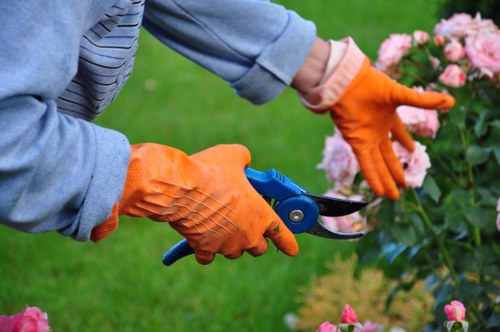
A quotation for lawn mowing is usually best understood as a reflection of the work involved rather than just the size of the garden. Factors such as access, grass length, edging, obstacle removal and whether the area has been maintained recently can all influence the amount of time needed. If a lawn is open and straightforward, the work is generally simpler; if it is divided into several sections or surrounded by features that slow movement, the task naturally becomes more detailed.
When comparing quotations, it helps to look at what is actually included. A mower cut on its own is not the same as a fuller tidy with edging and surrounding garden attention. The clearest way to request pricing is to explain the main aim, note the general condition of the grass and mention whether the lawn is part of a broader garden maintenance requirement. That gives a fairer basis for the work to be set out and understood.
For a clear next step, contact us with a brief description of the lawn, the area and the finish you want. If the garden also needs hedge trimming, clearance or related upkeep, mention that too so the quotation can cover the right scope. Ask for a quotation today and we can help you plan the mowing in a practical, straightforward way.