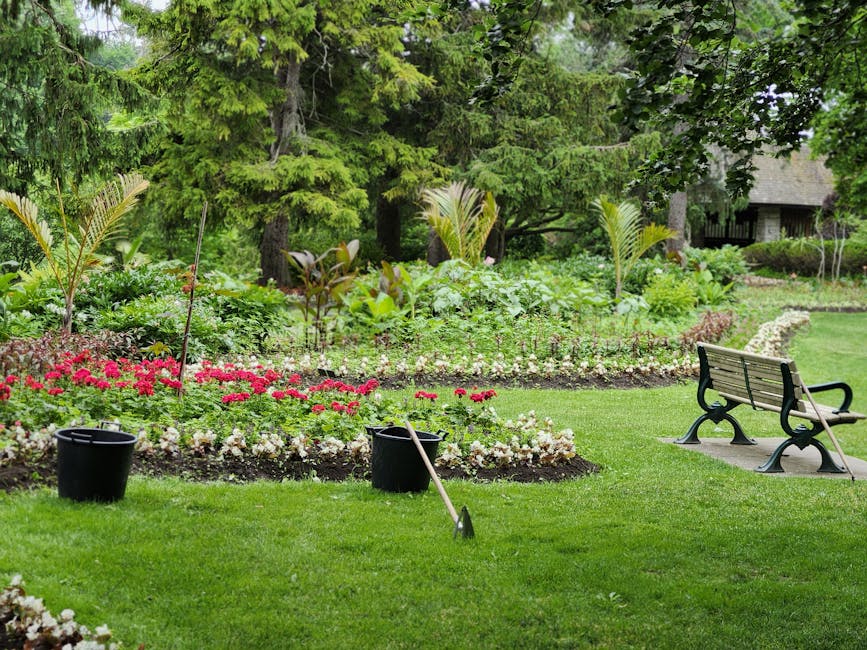
Same day gardeners Belmont Village emergency garden rescue: fast help when your garden needs saving now
If your garden has gone from manageable to messy in a single afternoon, you are not alone. A storm can snap branches, a lawn can turn into a swamp, and a hedge can suddenly feel like it is winning the argument. That is where Same day gardeners Belmont Village emergency garden rescue comes in: rapid, practical help for urgent outdoor problems that need sorting today, not next week.
This guide explains what emergency garden rescue actually involves, when it makes sense to call for same-day support, what a good response should look like, and how to avoid common mistakes that make a bad situation worse. If you need your space safe, tidy, and usable again fast, this is the straight answer.
- Why same day emergency garden rescue matters
- How the service works
- Key benefits and practical advantages
- Who this is for and when it makes sense
- Step-by-step guidance
- Expert tips for better results
- Common mistakes to avoid
- Tools, resources and recommendations
- Law, compliance, standards and best practice
- Options, methods and comparison table
- Case study or real-world example
- Practical checklist
- Conclusion
- Frequently asked questions
Why Same day gardeners Belmont Village emergency garden rescue Matters
Emergency garden work is not about making a space look award-winning. It is about making it safe, usable, and under control again before the problem spreads. That might mean removing fallen branches after wind damage, clearing blocked access paths, cutting back overgrown growth that is affecting a gate or driveway, or dealing with a garden that has been left in a state after a tenancy change, building work, or a hectic period when life got in the way.
In Belmont Village, as in many London neighbourhoods, outdoor space is often limited and shared pressures are real. A messy front garden can become a trip hazard. A broken fence panel can leave bins exposed. A tree limb leaning awkwardly after a gusty night can make the whole area feel a bit tense. Not dramatic, just inconvenient in that very British way where everything needs sorting and nobody has time for it.
Key point: emergency garden rescue is about speed plus judgement. The right team should prioritise what is urgent, what is safe, and what can wait until a proper follow-up visit.
That distinction matters. A rushed but careless clear-up can damage healthy plants, compact the soil, scatter debris into neighbouring spaces, or miss hidden hazards like unstable branches or slippery surfaces. To be fair, gardens are often more complicated than they look from the pavement.
How Same day gardeners Belmont Village emergency garden rescue Works
The best same-day service usually follows a clear, calm process rather than a frantic one. You contact the team, explain the issue, share a few photos if possible, and say what needs to happen right now. From there, the job is usually triaged into urgent, important, and cosmetic work.
That triage is the whole trick. A good gardener will not try to do everything. They will do the right things first.
- Initial assessment: You explain the problem, including any safety concerns, access issues, or nearby damage.
- Priority check: The team decides whether the main issue is clearance, safety, access, or weather-related damage.
- Fast arrival window: Same-day work depends on schedule, location, and job size, so realistic timing matters.
- Urgent rescue tasks: The team removes debris, restores access, secures loose materials, and reduces immediate risk.
- Clean finish: Waste is gathered, paths are made usable again, and the area is left tidy rather than half-done.
- Follow-up plan: If the garden needs pruning, maintenance, or landscaping later, that is discussed after the emergency is under control.
Some jobs are straightforward. Others need a bit more care. If a tree is compromised, for example, the work may be limited to making the area safe and arranging further attention, rather than forcing a full solution in one visit. That is not a weakness; it is sensible practice.
And yes, photos help a lot. A couple of clear pictures in daylight can save everyone a headache, especially if the issue is awkward to describe. You know the sort of thing: "there's a pile of branches, a fallen pot, and the path is sort of blocked." Useful, but not exactly precise.
Key Benefits and Practical Advantages
Same-day emergency garden rescue offers more than speed. It gives you momentum at the exact moment the garden feels stuck.
- Immediate safety improvement: Loose branches, slippery surfaces, or blocked routes are dealt with quickly.
- Restored access: Front paths, side returns, bin areas, and gates can be opened up again.
- Reduced stress: A garden mess can sit in the back of your mind all day. Getting it handled helps.
- Better property appearance: Even a fast tidy-up can make a huge difference from the street.
- Prevention of further damage: Debris, broken stems, and compacted clutter can cause more trouble if left.
- Clear next steps: Emergency rescue often exposes what needs maintenance, pruning, or longer-term improvement.
One of the less obvious benefits is decision relief. When something goes wrong outdoors, people often waste time wondering whether it is serious enough to act on. Same-day help removes that uncertainty. Is the hedge just untidy, or is it crushing a fence line? Is the fallen branch light enough to move, or is it sitting under tension? A professional eye can tell quickly.
Expert summary: the best emergency garden rescue work combines speed, tidy execution, and sensible limits. Fast does not mean sloppy, and proper does not need to be slow.
Who This Is For and When It Makes Sense
This type of service is for anyone whose garden has crossed from routine maintenance into urgent recovery mode. That could be a homeowner, landlord, tenant, letting agent, property manager, or business owner with outdoor frontage that needs attention today.
It often makes sense if you are dealing with:
- storm damage or windblown debris
- fallen branches, broken shrubs, or partially collapsed growth
- blocked paths, side access, or gate routes
- overgrowth affecting visibility or entry
- an outdoor space that needs to be made presentable for visitors, inspections, or handover
- mess left after building works, pruning gone wrong, or missed upkeep
Sometimes the call is simple: you have guests arriving, and the front garden looks like it has had a rough week. Other times it is more serious, like a branch pressing on fencing or a tree that has shifted after high winds. In either case, the question is not "is the garden imperfect?" because honestly, whose is perfect? The question is whether the issue needs attention now.
If you are unsure, look at three things: safety, access, and whether the problem is getting worse. If the answer to any of those is yes, same-day support starts to make sense.
Step-by-Step Guidance
If you want a smooth emergency response, a little preparation goes a long way. Nothing fancy. Just practical.
1. Identify the urgent problem first
Focus on what is actually pressing. Is it dangerous debris? Is it preventing access? Is water pooling where it should not? Write down the key issue in one sentence before you call. It helps keep the conversation sharp.
2. Take a few useful photos
Take pictures from a distance and close up if it is safe to do so. Try to include the scale of the problem, the entry point, and anything that looks unstable. Morning light is often best, but daylight at any time is better than a blurry after-dark snap.
3. Clear only what is safe to clear
Move small items like pots or loose garden furniture if you can do that safely. Leave heavy, sharp, unstable, or entangled material alone. A branch under tension is not something to poke at with enthusiasm. That way lies regret.
4. Tell the gardener about access and restrictions
Let them know about locked gates, narrow side passages, shared driveways, pets, residents, parking limits, or fragile surfaces. Those details make a same-day visit quicker and safer.
5. Ask what will be done today versus later
Emergency rescue should split the urgent from the optional. Today may be about clearing and making safe. A follow-up may be needed for pruning, hedge shaping, replanting, or landscape repair. That is normal.
6. Check waste removal expectations
Not every rescue includes the same level of green waste removal, so ask how cuttings, branches, and debris will be handled. If a pile of waste is left behind, the job is not truly finished in most people's eyes.
One small but useful habit: agree on the immediate outcome before work starts. "Make the path safe and clear," for example, is much better than a vague "sort the garden out." The second version sounds easy until everybody has a different idea of what sorted means.
Expert Tips for Better Results
If you want a better outcome from a same-day response, a few practical habits make a real difference.
- Be specific about the risk: Mention anything that could injure someone, block access, or worsen if ignored.
- Prioritise the front line: Paths, gates, entrances, and shared boundaries usually matter more than the back corner.
- Keep expectations realistic: A rescue visit is not always a full redesign. It is a stabilising, practical intervention.
- Ask for staged work if needed: Emergency clearance today, detailed maintenance later. That split often gives the best result.
- Don't over-clean before the team arrives: You do not need to make everything perfect. Save your energy.
Another good tip is to think in layers. First layer: safety. Second layer: access. Third layer: appearance. If you solve those in that order, the garden usually feels manageable again much faster.
And yes, sometimes the quickest route is simply to stop fussing and let someone with the right tools handle it. There is no medal for wrestling thorny branches by hand.
Common Mistakes to Avoid
People often make the same few mistakes when a garden emergency hits. They are understandable, but they can waste time or make the job harder.
- Waiting too long: A small collapse or blockage can become a bigger issue after another gust of wind or a wet spell.
- Trying to cut unsafe material yourself: If something is leaning, tangled, or under strain, leave it alone.
- Assuming all garden services are the same: Some teams are better at clearance, others at maintenance or landscaping.
- Forgetting to mention hidden access issues: Narrow side paths, parking restrictions, and neighbour access can affect the visit.
- Expecting one visit to solve every future problem: Emergency work gets the site under control; it does not erase underlying maintenance needs.
- Ignoring waste and cleanup: A quick cut is not enough if the debris is left somewhere awkward.
One subtle mistake is talking only about the visible mess. The real issue might be drainage, root spread, unstable soil, or a fence line that has been nudged out of position. A good gardener will spot some of that, but only if they get a clear picture of what happened.
Truth be told, a rushed decision can be more expensive than a calm one. Not always, but often enough.
Tools, Resources and Recommendations
For emergency garden rescue, the right tools are less about glamour and more about getting the job done safely and efficiently.
| Need | Useful tools or resources | Why it matters |
|---|---|---|
| Cutting back overgrowth | Secateurs, loppers, hedge trimmers, pruning saws | Helps remove damaged or obstructive growth cleanly |
| Clearing debris | Rakes, tarpaulins, heavy-duty bags, wheelbarrows | Makes fast clearance and tidy removal easier |
| Handling waste | Green waste sacks, skip access, collection planning | Prevents piles of cuttings from becoming a second problem |
| Safety | Gloves, eye protection, sturdy footwear | Reduces the risk of cuts, slips, and strain |
| Ongoing upkeep | garden maintenance support, seasonal check-ups | Helps stop emergencies from repeating |
For longer-term improvements, the wider service range can matter too. If the garden needs a full reset after rescue work, options such as garden clearance, hedge trimming, or broader landscape gardening may be the sensible next step.
If you are comparing providers, look at what they say about services overview, pricing and quotes, and insurance and safety. Those pages usually tell you more than a vague promise ever will.
Law, Compliance, Standards, or Best Practice
Garden rescue work touches on practical safety, waste handling, neighbour boundaries, and sometimes tree-related concerns. The exact rules can vary depending on the situation, local conditions, and the type of property involved, so it is wise to stay cautious rather than overstate anything.
In the UK, good practice usually means:
- working safely around unstable branches, sharp tools, and uneven ground
- avoiding damage to neighbouring property or shared boundary structures
- handling green waste responsibly
- checking whether trees or major works need extra care before cutting
- making sure the team is insured and can explain their process clearly
If the job involves a tree, a leaning trunk, or anything that looks structurally unsound, caution is the right move. Emergency work should not become reckless work. A competent gardener will know when to stop, make safe, and plan a proper follow-up rather than forcing a quick fix that could cause more damage.
It is also sensible to review a company's policies on health and safety, payment and security, and terms and conditions. Not because you expect trouble, but because clear rules are usually a sign of a well-run service.
If recycling matters to you, ask how cuttings and waste are handled. Some teams give more attention to recycling and sustainability than others, and that can be useful if your clear-up involves a lot of green waste.
Options, Methods, or Comparison Table
Not every urgent garden problem needs the same approach. Here is a simple way to think about the main options.
| Option | Best for | Limitations | Typical outcome |
|---|---|---|---|
| Same-day emergency rescue | Immediate safety, access, and storm-related issues | May not include detailed shaping or full redesign | Garden becomes safe, clear, and usable quickly |
| Routine maintenance visit | Ongoing tidying, mowing, trimming, and prevention | Not ideal for urgent hazards | Garden stays under control over time |
| Garden clearance | Heavy mess, overgrowth, neglected plots, end-of-tenancy tidy-ups | May be broader than needed for a minor issue | Large volumes of waste removed in one go |
| Landscaping or repair work | Longer-term improvement after the emergency is handled | Usually not the first step in a live emergency | Space is restored and improved properly |
In many cases, the smartest route is a combination: rescue today, maintenance later. That's the neatest way to avoid paying twice for the same chaos.
If you want to understand the wider service picture before deciding, it can help to read the provider's blog and service information alongside the emergency request. A short bit of reading now can save a lot of back-and-forth later.
Case Study or Real-World Example
Picture a typical late-afternoon call in Belmont Village after a windy spell. A front garden hedge has broken away slightly, a few heavy branches are lying across the path, and the side gate is half blocked. Nothing cinematic. Just enough to make the property feel awkward and a bit exposed.
The priority is not to make the hedge look perfect. The priority is to stop the problem from spreading and make the route safe again. A same-day gardener arrives, checks the layout, removes the loose debris, trims back the obstructive growth, clears the gate area, and gathers the waste for removal. The job is kept focused. No grand plans, no unnecessary detours.
Then comes the useful part: the gardener points out that the hedge will need a proper shaping visit, and one section may need more careful work once the weather settles. That is what good emergency rescue looks like. It solves the immediate issue without pretending the whole garden can be reinvented in one afternoon.
By early evening, the path is open, the entrance looks calm again, and the garden is back to being a place rather than a problem. A small thing, maybe. But when you have been looking at the mess all day, it feels huge.
Practical Checklist
Use this checklist before and during your same-day garden rescue request.
- Identify the urgent problem in one clear sentence
- Check whether anyone could be injured or blocked by the issue
- Take clear photos if it is safe to do so
- Note access details, parking limits, gates, and pets
- Tell the gardener what must be done today
- Ask what can wait for a follow-up visit
- Confirm waste removal and cleanup expectations
- Ask about insurance, safety, and experience with urgent garden work
- Keep children and pets away from unstable areas
- Arrange follow-up maintenance if the issue came from neglect or seasonal growth
Quick reality check: if a problem is too awkward, too heavy, or too risky to touch safely, that is already a good sign you need help rather than a DIY attempt.
Get a free quote today and see how much you can save.
Conclusion
Emergency garden problems feel bigger when they are right outside your door. They make the place look untidy, yes, but more than that, they interrupt how you use your home or property. Same day gardeners Belmont Village emergency garden rescue is about getting you back to normal quickly, safely, and without unnecessary drama.
The best results come from clear priorities, honest expectations, and a team that knows when to act fast and when to pause for safety. That balance matters. It always does.
If your garden needs urgent attention today, the sensible move is simple: deal with the immediate issue first, then build a proper plan for the rest. One step at a time. That usually works best.
Frequently Asked Questions
What counts as a garden emergency?
A garden emergency is usually any issue that affects safety, access, or property condition right now. Fallen branches, blocked paths, storm damage, unstable growth, and broken boundary areas are common examples.
Can same-day gardeners really come out on the same day?
Often, yes, if the schedule, location, and job size allow it. The earlier you contact them and the clearer you are about the issue, the better the chance of a same-day visit.
Is emergency garden rescue the same as regular maintenance?
No. Regular maintenance is about prevention and routine upkeep, while emergency rescue focuses on urgent problems that need fast stabilising work. They can work together, but they are not the same thing.
What should I do before the gardener arrives?
Only move items that are clearly safe to move. Take photos, note access details, and keep people and pets away from unstable areas. Do not try to cut risky branches yourself.
Will emergency garden rescue include waste removal?
It often does, but not always in the same way for every job. Ask in advance how debris, branches, and cuttings will be handled so there are no surprises later.
How much does same-day garden rescue cost?
Costs vary depending on the urgency, the size of the job, access, waste volume, and whether specialist equipment is needed. A proper quote is the safest way to get a realistic figure.
Is it safe to cut storm-damaged branches myself?
Only if the material is small, stable, and easy to handle safely. Anything large, leaning, tangled, or under tension is best left to a professional. That is one of those jobs where caution pays off.
Can emergency garden rescue help with overgrown hedges?
Yes, especially if the overgrowth is blocking access, damaging a boundary, or creating a safety issue. If it is mainly an appearance problem, it may be better suited to a maintenance or hedge trimming visit.
What if my garden problem keeps coming back?
That usually means the issue needs a longer-term fix, such as regular maintenance, better drainage, pruning, or a small landscaping adjustment. Emergency work solves the immediate problem, but recurrence needs a bigger look.
Do I need to be home for the garden rescue visit?
Not always, but it helps if access is complicated or if you want to explain the problem in person. If you cannot be there, clear instructions and good photos make a big difference.
How do I know I am choosing the right gardener?
Look for clear communication, sensible prioritisation, evidence of insurance and safety awareness, and a straightforward explanation of what will happen today versus later. A good provider will sound calm, not pushy.
What happens after the emergency is handled?
Once the urgent issue is under control, the next step is usually a follow-up plan for maintenance, pruning, or repairs. That is often the point where the garden starts feeling properly normal again.
Sometimes the best garden work is the kind that quietly gives you your space back. A bit of calm, a clear path, and room to breathe again - that's often enough for one day.